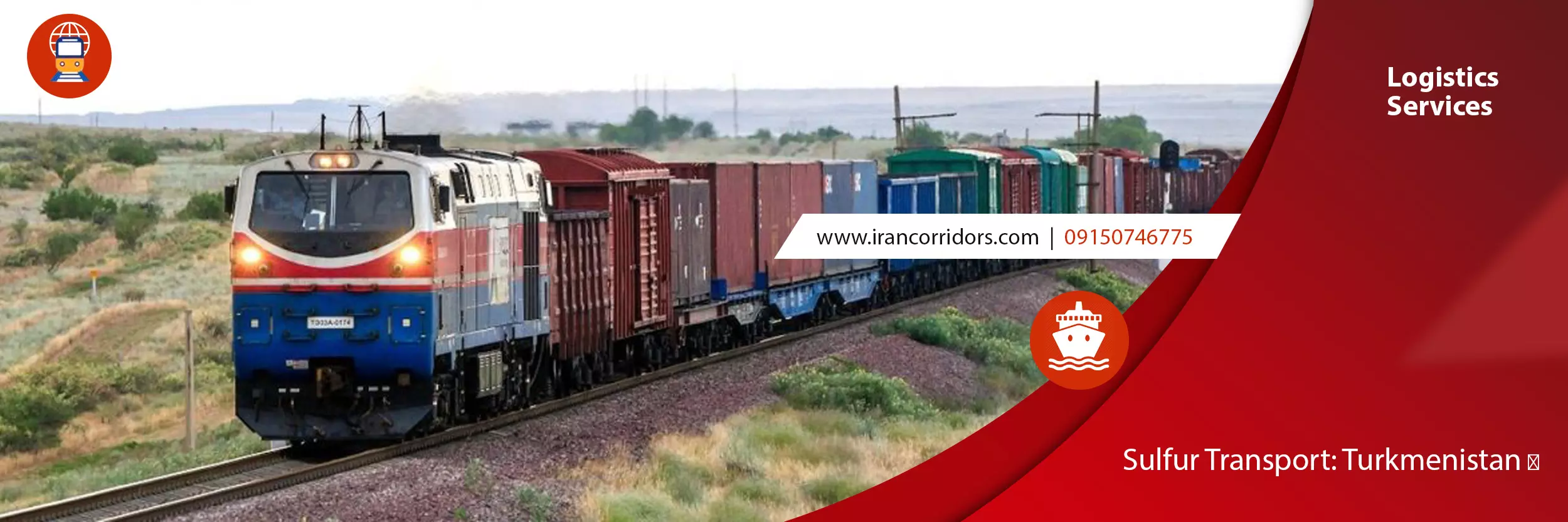
Sulfur Transportation: Efficient Transit from Turkmenistan to Bandar Abbas & Beyond (2025 Guide)
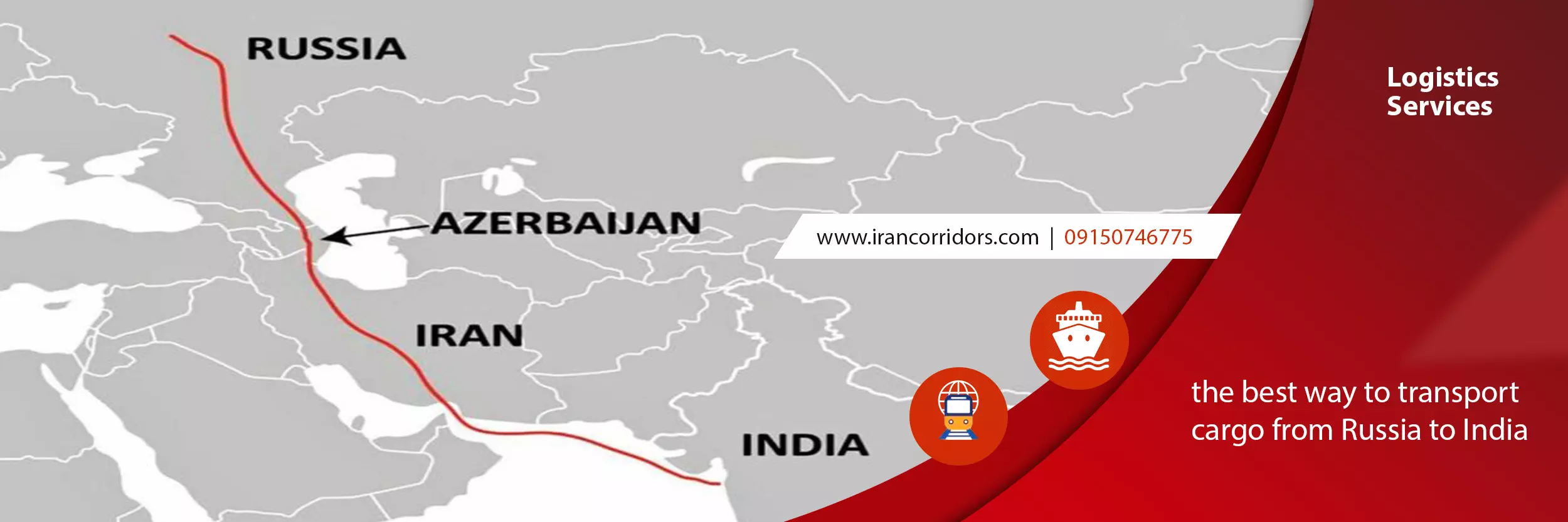
If you plan Sulfur Transportation from Turkmenistan to Bandar Abbas and onward to China, India, or Central Asia to Europe, the Iran transit corridor in 2025 is often the fastest and most cost-effective option. This guide explains how rail operates from the Turkmenistan border to Iran’s southern ports, required documentation, minimizing dwell time and costs, choosing the right packaging (bulk vs jumbo bags), and selecting trusted Iranian freight forwarders. It also includes references to China to Europe rail freight, Transit from Russia to India via Iran, India to Europe shipping route, and Central Asia to Europe transit via Iran for easy access to the respective landing pages.
Key Advantages of the Iran Corridor:
-
Shorter lead time compared to Caspian or northern routes
-
Lower per-ton cost on bulk rail shipments
-
Multimodal reliability: rail → port → ocean handoff
-
Dense sailing networks to China, India, and SE Asia
-
Ideal for 1,000–10,000+ MT sulfur shipments with stable ETAs
Why Use the Turkmenistan → Iran → Bandar Abbas Corridor
Geography and infrastructure make Iran the most direct land bridge from Central Asia to major ports. For bulk commodities like sulfur, Iran’s rail network can handle high-volume shipments with predictable schedules. From Bandar Abbas (Shahid Rajaee Port), frequent sailings reach Chinese and Indian ports at competitive ocean rates.
Key reasons traders choose this route:
-
Shorter transit time compared to detours via the Caspian/Black Sea or northern corridors.
-
Lower per-ton cost for bulk shipments; optimized handling for Sulfur Transportation at southern ports.
-
Multimodal reliability: rail → port → ocean handoff with established procedures.
-
Market access: dense sailing networks to China, India, and Southeast Asia.
-
Ideal for 1,000–10,000+ MT shipments, recurring monthly liftings, and buyers needing stable ETAs and predictable costs.
Typical Route & Transit Times for Sulfur Transportation (2025)
Origin: Turkmenistan production sites
Border Handover: Sarakhs (primary) or Incheh Borun
Iran Rail Corridor: Mashhad → Yazd → Kerman → Bandar Abbas
Ocean Leg: Bandar Abbas → China/India
Indicative Timeline:
-
Rail (Sarakhs → Bandar Abbas): ~4–7 days
-
Port handling & export clearance: ~2–4 days
-
Ocean to West India: ~3–5 days
-
Ocean to China: ~8–12 days
Total Time:
-
To India: 7–13 days
-
To China: 12–20 days
Cost Drivers & How to Minimize Landed Cost
Major components:
-
Rail Tariff: Bulk rates for sulfur reduce cost per ton.
-
Wagon Hire / Demurrage: Avoid fees with careful timing.
-
Port Handling: Stevedoring, storage, bagging (if needed).
-
Ocean Freight: Bulk vs containerized bags.
-
Insurance & Finance: Cargo insurance, banking/LC costs.
Savings Tips:
-
Align rail ETD with vessel laycan.
-
Consolidate full-train consignments.
-
Choose bulk for lowest cost, jumbo bags for cleaner handling.
-
Pre-clear documents to avoid border delays.
📌 Request 2–3 competitive quotes from trusted Iranian freight partners
Border Gates & Rail Operations
Primary Crossing: Sarakhs (Turkmenistan → Iran)
Alternate: Incheh Borun
Required Documents:
-
Commercial Invoice & Packing List
-
Certificate of Origin (Turkmenistan)
-
MSDS & COA (sulfur quality)
-
Transit Declaration (Iran)
-
Insurance (if required)
-
Rail waybill / consignment note
Pro Tips:
-
Confirm HS code 2503.
-
Keep weighbridge tickets and seal records.
-
Have English (or Russian) document sets ready.
Packaging, Handling & Quality Control
Packaging Options:
-
Bulk: Lowest cost; requires bulk loading/unloading.
-
Jumbo Bags (1–1.2 MT): Cleaner handling; flexible split deliveries.
-
Containerized Bags: Ideal for smaller lots or multi-port deliveries.
Quality Essentials:
-
COA: purity, moisture, ash, impurities
-
MSDS/IMDG compliance
-
Pre-loading wagon inspection
-
Port bagging lines aligned with vessel laycan
Customs & Documentation Cheat Sheet
Core Docs:
-
Invoice & Packing List
-
Certificate of Origin
-
Transit Declaration
-
Rail waybill / consignment note
-
Insurance certificate
-
MSDS + COA
-
Destination-specific permits
Tips:
-
Use licensed Iranian customs brokers.
-
Pre-validate documents before border arrival.
Bandar Abbas Port Handling for Sulfur Transportation
Why Bandar Abbas?
-
Southern Iran’s main port with bulk handling capacity
-
Storage yards, weighbridges, bagging lines, container terminals
-
Frequent sailings to China & India
Coordination Checklist:
-
Book port handling & stevedores before train arrival
-
Align rail ETA with vessel laycan
-
Confirm stowage plans and sulfur safety protocols
Ocean Options:
-
Bulk/Breakbulk: cost-effective for large parcels
-
Containerized bags: flexible for split deliveries
📌 Find forwarders with Bandar Abbas offices
Risk Management & Compliance
Common Risks:
-
Border queues & rail slot shortages → Pre-book capacity
-
Documentation errors → Pre-audit with broker
-
Port dwell fees → Synchronize rail arrival & vessel laycan
-
Weather → Build buffer in critical path
-
Banking/sanctions → Work with experienced forwarders
Insurance Tips:
-
ICC-A or ICC-B coverage
-
Record condition with photos & weighbridge slips
China & India Delivery Playbooks
China:
-
Check buyer discharge capabilities
-
Jumbo bags preferred for inland distribution
-
Early CIQ & documentation
India:
-
West coast hubs (Nhava Sheva, Mundra)
-
Containerized bags for smaller lots or multi-port delivery
Incoterms:
-
CFR/CIF for bulk
-
CIP/DDP only if partner handles customs/last-mile
-
Align payment terms with operational milestones
📌 Coordinate with reliable Chinese & Indian partners
Choosing the Right Iranian Freight Forwarder
Key Considerations:
-
Experience with sulfur/bulk commodities
-
Rail capacity and guaranteed train paths
-
In-house customs & port teams
-
Transparent pricing, single point of contact (SPOC)
-
References from China/India clients
RFQ Questions:
-
Recommended border gate
-
Guaranteed rail ETD & transit time
-
Port handling plan
-
Ocean options & sailings
-
Full door-to-port rate breakdown
-
Delay management policies
Example Timeline: 10,000 MT Sulfur (Sarakhs Handover)
-
Day 0–1: Border handover, docs pre-cleared
-
Day 1–2: Train dispatched southbound
-
Day 3–6: Rail transit to Bandar Abbas
-
Day 6–7: Port entry & stevedore confirmation
-
Day 7–9: Vessel alongside; loading/bagging
-
Day 9–13: Sailing to West India
-
Day 9–20: Sailing to China
Ready to Move Your Sulfur?
FAQs
Q1: Is the Iran corridor safe and operational in 2025?
Yes. Main rail corridors and Bandar Abbas are operational with predictable schedules for bulk commodities like sulfur. Reputable forwarders can provide weekly slot visibility and port handling windows.
Q2: Bulk vs jumbo bags — which should I choose?
Bulk: lowest unit cost; best for large, homogeneous parcels and buyers with bulk discharge gear. Jumbo bags: higher handling cost but cleaner and flexible; preferred when you need split deliveries or the destination can’t handle bulk discharge.
Q3: Can one Iranian partner handle everything end-to-end?
Many forwarders offer border handover → rail → port handling → ocean booking under one contract and SPOC, which reduces coordination risk.
Q4: What are the typical documents at handover?
Invoice, packing list, COA/MSDS, Certificate of Origin, transit declaration, waybill, insurance certificate (if required), and any destination-specific permits.
Q5: What about payments and sanctions?
Experienced Iranian forwarders understand compliant payment routes and required paperwork. Discuss banking upfront and choose partners with a clear compliance track record.