Iran Transit Corridor: Your Strategic Link Between East and West

Multimodal transport via rail, road & sea – optimized for international trade flow

Access Strategic Overland Transit Routes from Asia to Europe via Iran — Your Trusted Gateway to Fast, Secure, and Cost-Effective Logistics

Positioned at the heart of a vital trade corridor, Iran connects major Asian markets such as China, India, Central Asia, and the Middle East to Europe. Leverage this strategic route to benefit from streamlined operations, reduced transit times, and optimized logistics costs

Key Benefits of Transit Through Iran

Strategic Geopolitical Location
Iran serves as a natural bridge between Asia, the Middle East, and Europe, facilitating access to regional and global markets.

Shorter Transit Time
Overland routes through Iran significantly reduce delivery time compared to traditional maritime or alternative land routes.

Cost-Effective Logistics
Lower transportation costs and competitive tariffs make Iran a cost-effective option for international transit.

Developed Infrastructure & Border Access
Iran boasts a developed network of roads and railways, along with multiple access points to neighboring countries.

Book International Transit via Iran’s Corridors

If you are looking for international transit, transportation, and goods supply through Iran to your desired destination, simply fill out the form on this page.

Our team quickly reviews your request and suggests the best route and transport option.

  • Access safe, fast, and cost-effective routes through Iran

  • Free consultation to choose the most efficient method (land, sea, or air)

  • Reliable goods supply services based on your requirements and destination

  • Guaranteed confidentiality of your information


By completing this form, you take an important step towards simplifying your international transit, transportation, and goods supply, ensuring that your services are carried out on time and with the highest level of quality.

Testimonials

2500+ Happy Customers

The target countries for international transit and transportation services

Turkey

Export and Land Transit

Russia

Transit and Land Transportation
China

Export, Import, and Transit

Australia

Sea Freight and Export

Belgium

Export and European Transit

Pakistan

Export and Sea Freight

India

Import and Sea Freight
Iraq

Export and Road Freight

Denmark

Export and European Transit

Azerbaijan

Export and Road / Rail Freight

UAE

Fast Export and Import

Italy

Export and Sea Freight
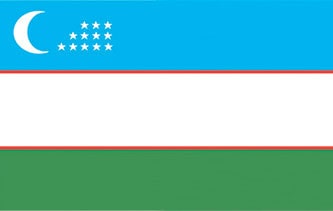
Uzbekistan

Transit and Land Transportation

Belarus

Transit and Goods Export
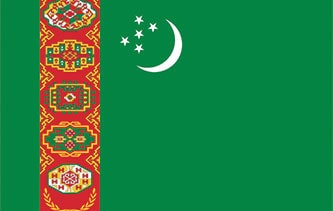
Turkmenistan

Transit and Land Transportation

Kyrgyzstan

Transit and Land Transportation
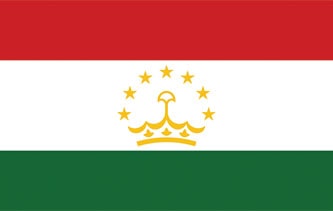
Tajikistan

Transit and Land Transportation

Kazakhstan

Transit and Land Transportation

Ireland

Export and European Transit
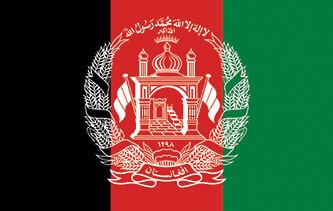
Afghanistan

Transit and Land Transportation
irancorridors

FAQ: Transit Through Iran — Key Routes, and Logistics Support

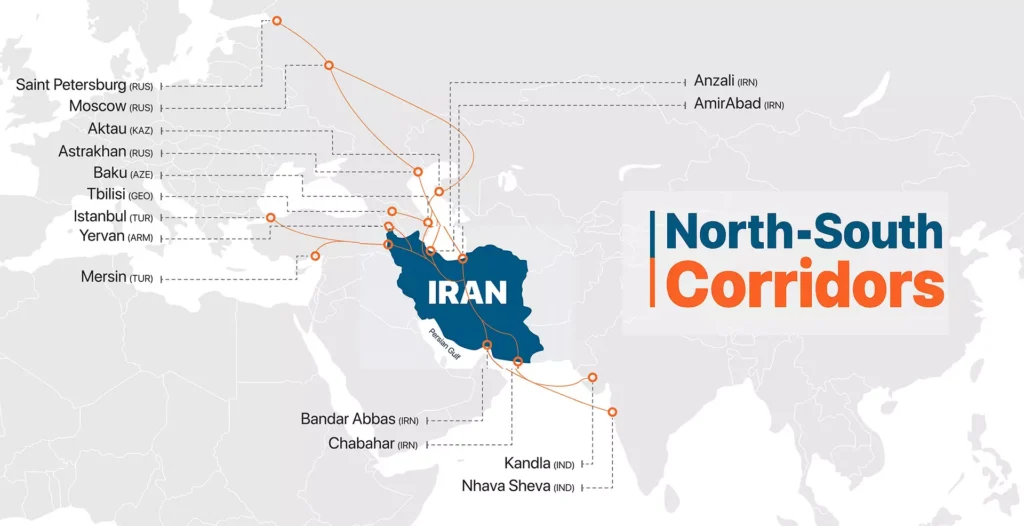
The key transit routes through Iran for international freight include several strategic corridors that connect Asia, Europe, and the Middle East. The most important are:

  • North–South Transport Corridor (INSTC): Linking India and the Persian Gulf to Russia and Europe via Iranian ports and railways.

  • East–West Corridor: Connecting China and Central Asia to Turkey and Europe through Iran’s road and rail network.

  • Caspian Railway Transit: Providing access to Russia and Central Asia via Iran’s northern ports and railways.

  • Astara–Rasht–Qazvin Railway: A vital link integrating Iran’s railway system with Azerbaijan, Russia, and the wider INSTC.

  • Persian Gulf–Black Sea Corridor: A multimodal route connecting southern Iranian ports to Armenia, Georgia, the Black Sea, and Europe.

These corridors make Iran a central hub in Eurasian logistics, offering reduced transit time, lower costs, and flexible multimodal options for international cargo.

Using Iran’s overland transit corridors significantly reduces shipping time compared to traditional sea routes such as the Suez Canal. For example, cargo shipped from India to Europe via the North–South Transport Corridor (INSTC) through Iran can arrive in 20–22 days, while the same shipment via the Suez Canal typically takes 35–40 days. Similarly, goods from China and Central Asia to Europe reach their destination faster by crossing Iran’s East–West corridor, cutting transit time by up to 30–40%.

This time efficiency not only accelerates supply chains but also reduces storage costs, improves delivery reliability, and enhances competitiveness for businesses engaged in global trade.

Iran’s transit corridors connect a wide range of countries in Asia, the Middle East, and the Caucasus to Europe. Key partners include India, China, Kazakhstan, Turkmenistan, Uzbekistan, and other Central Asian states, as well as Persian Gulf countries such as the UAE, Oman, and Qatar.

Through multimodal routes, Iran also provides access for Azerbaijan, Armenia, and Georgia toward the Black Sea and onward to Europe. This extensive network makes Iran a central gateway for connecting Asian exporters with European markets.

Cargo via Iran’s INSTC reaches Europe in 20–22 days, compared to 35–40 days through the Suez Canal. East–West corridors also reduce transit times by 30–40%, boosting efficiency and supply chain reliability.

Iran has expanded railway networks, modern highways, port facilities, and dry ports, while also developing logistics hubs near borders to streamline international transit.

 Iran’s geographic position, connecting the Persian Gulf, Central Asia, the Caucasus, and Europe, along with strong rail and port infrastructure, makes it a natural bridge for Eurasian trade

Yes, express services are available with priority handling, direct routing, and customs fast-track, ensuring urgent cargo reaches destinations on time.