Introduction: Why the India–Iran–Russia Corridor Matters
The India Iran Russia Corridor, officially known as the International North–South Transport Corridor (INSTC), has become one of the most strategic trade routes connecting Asia. For companies looking to move goods from Russia to India via Iran, this corridor offers shorter transit times, lower costs, and greater reliability compared to traditional maritime routes through the Suez Canal. The India Iran Russia Corridor Map is the blueprint for a new era of logistics and freight forwarding across Eurasia.
This article explores the corridor in detail, highlighting Iran’s critical role, the benefits for businesses, and how freight forwarders in Iran can support logistics operations for companies worldwide.
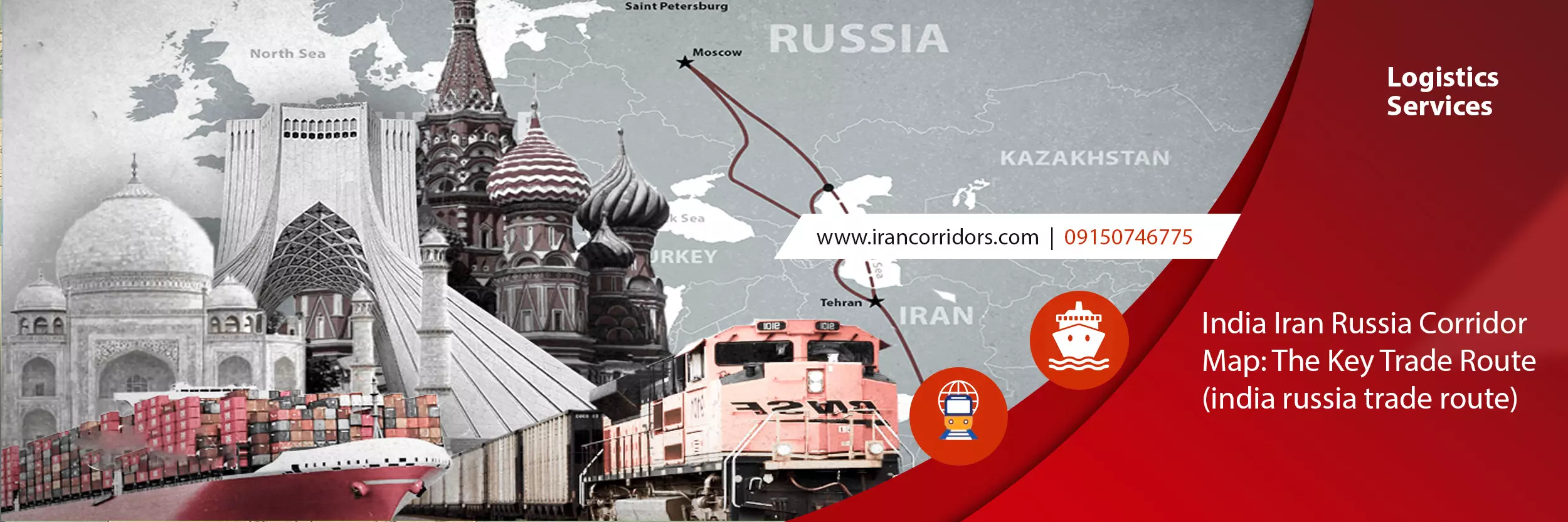
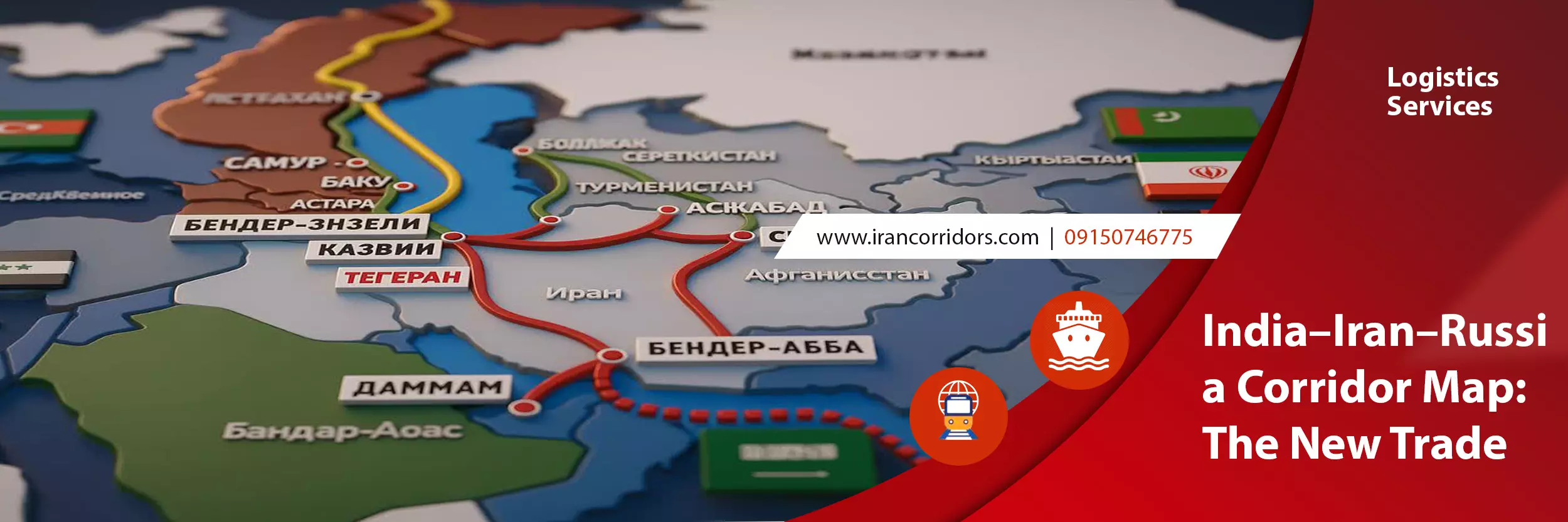
India Iran Russia Corridor Map Explained
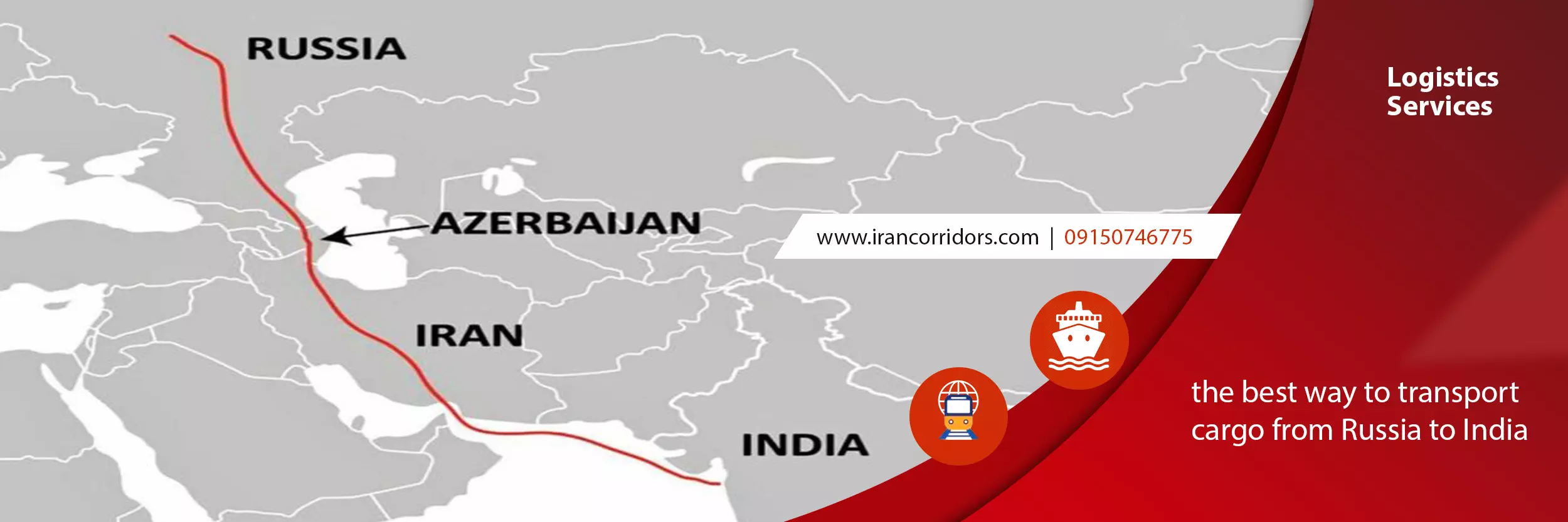
The India Iran Russia Corridor Map illustrates a network of sea, rail, and road connections stretching from Russian cities to Indian ports through Iranian territory.
- Northern Leg (Russia to Iran): Cargo starts in major Russian hubs like Moscow, Astrakhan, or St. Petersburg. Goods are transported by rail or river to ports on the Caspian Sea, such as Astrakhan. From there, shipments move across the Caspian Sea to Iranian ports like Bandar Anzali or Amirabad.
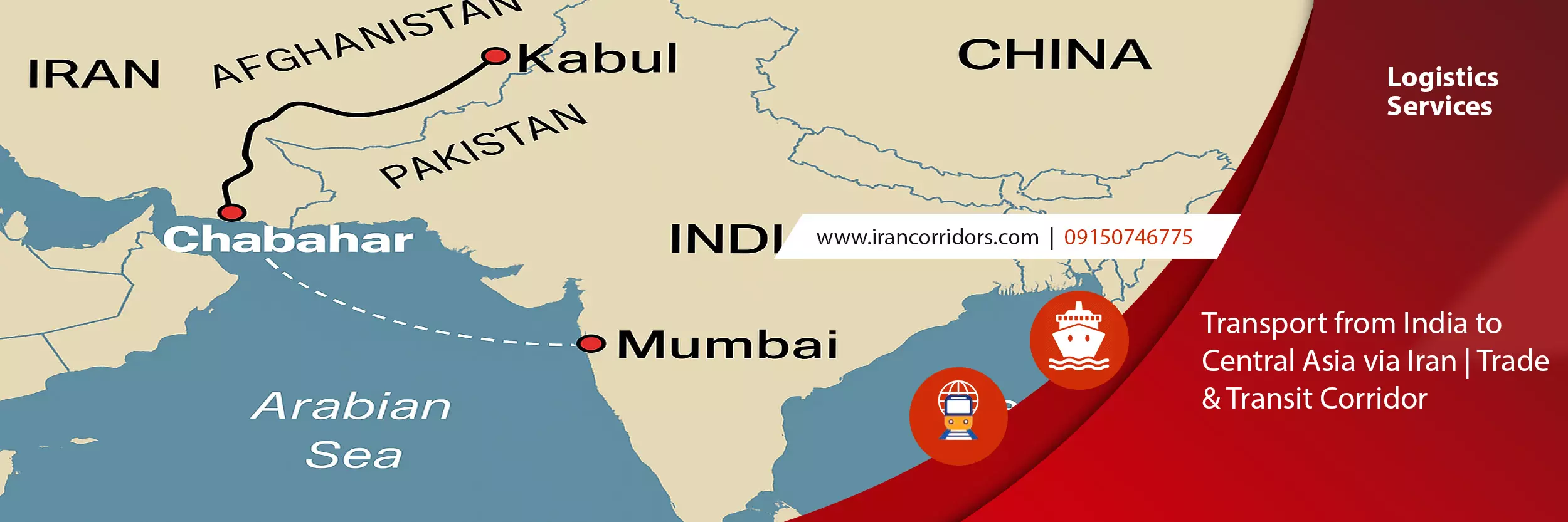
- Middle Leg (Across Iran): Once in Iran, freight moves south through an extensive road and rail network. Goods are transported to key Iranian logistics hubs and then onward to ports such as Bandar Abbas or Chabahar.
- Southern Leg (Iran to India): From Iranian ports, shipments cross the Arabian Sea to Indian ports like Mumbai or Nhava Sheva.
This multimodal structure creates a highly efficient route that bypasses longer sea-only journeys.
Comparison of Routes from Russia to India via Iran and Other Corridors
There are several alternative routes for shipping cargo from Russia to India, each with distinct advantages. The traditional maritime route via the Mediterranean and the Suez Canal is widely used for standard container shipments due to its simplicity and high capacity, but it takes around 40–45 days and involves higher costs and geopolitical risks. The Russia → Azerbaijan (land/rail) → Iran → Bandar Abbas/Chabahar → India route, part of the INSTC, can reduce transit time to 20–30 days and lower costs by up to 30%, making it suitable for time-sensitive or high-value cargo such as machinery and industrial components. Another option, Russia → Kazakhstan → Turkmenistan → Iran → Bandar Abbas → India, mainly via rail, offers a similar transit time of 19–23 days and is emerging as a competitive alternative for bulk or specialized cargo. Finally, routes through the Caspian Sea—from Russia to Iran or via Baku to Bandar Abbas—provide flexibility for multimodal shipments, particularly for goods that can take advantage of shorter sea crossings. Currently, the most frequently used route remains the Suez Canal for standard containers, while the INSTC corridor through Iran is increasingly favored for time-critical, high-value, or heavy shipments.
Benefits of Using the Corridor
- Reduced Transit Time
The corridor reduces delivery times from Russia to India from 40–45 days via the Suez Canal to 18–25 days via Iran.
- Lower Transportation Costs
Using Iran as a central transit hub cuts logistics costs by up to 30% compared to longer maritime routes.
- Access to Emerging Markets
The route connects Russia and India to Central Asia, the Caucasus, and the Middle East, enabling businesses to tap into multiple regional markets.
- Supply Chain Security
The INSTC diversifies trade options, reducing dependency on single chokepoints like the Suez Canal and minimizing risks of disruptions.

Iran’s Strategic Role in the Corridor
Iran is at the heart of the India Iran Russia Corridor Map. Its geographical position makes it the natural bridge between the Caspian Sea and the Indian Ocean.
- Key Iranian Ports:
- Bandar Abbas (gateway to the Persian Gulf)
- Chabahar (direct access to the Arabian Sea, strategically significant for India)
- Anzali & Amirabad (ports on the Caspian Sea)
- Railway and Road Network: Iran’s growing rail infrastructure connects Caspian ports to the Persian Gulf, streamlining north–south cargo flows.
- Logistics Hubs: Free trade zones and logistics centers in Bandar Abbas, Qazvin, and Chabahar facilitate customs clearance and transshipment.
For businesses shipping goods from Russia to India, Iran is not just a transit country, but a logistics partner.
How Freight Forwarders in Iran Can Help
For international companies using this corridor, working with a freight forwarder in Iran is essential. These logistics partners handle complex procedures and ensure smooth cargo movement.
Customs Clearance and Documentation
Iranian freight forwarders provide expertise in import/export regulations, customs clearance, and compliance with international trade rules.
Multimodal Transport Services
Freight forwarders coordinate sea, rail, and road transportation to ensure shipments reach Indian destinations efficiently.
Warehousing and Logistics Support
Companies benefit from temporary storage, cargo consolidation, and packaging services in Iran’s logistics hubs.
Consulting and Route Optimization
Iranian freight forwarders advise businesses on the fastest, most cost-effective routes based on cargo type, urgency, and destination.
If your business is looking to ship goods from Russia to India via Iran, our team at Iran Corridor is here to make the process seamless With our expertise in freight forwarding, customs clearance, and multimodal transport, we ensure your cargo reaches its destination quickly and cost-effectively. Simply fill out the form on this page or send us a message on WhatsApp, and our logistics specialists will handle the coordination for you.

India Iran Russia Corridor Map vs. Traditional Routes
The Suez Canal route has long been the standard for trade between Russia and India. However, when comparing with the India Iran Russia Corridor:
- Transit Time: Suez = ~40 days | INSTC = ~20 days
- Distance: Suez = ~16,000 km | INSTC = ~7,200 km
- Costs: Suez route is significantly more expensive due to longer travel and higher fuel consumption.
This makes the corridor via Iran a game-changer for freight forwarding.
Opportunities for Businesses
The corridor benefits multiple industries:
- Energy & Petrochemicals: Transport of refined oil products and petrochemicals.
- Steel & Machinery: Heavy equipment and raw materials flow smoothly across the corridor.
- Agriculture & Food: Fast transit enables export of perishable goods from Russia and imports of rice, tea, and spices from India.
- Textiles & Consumer Goods: Shorter routes reduce costs for exporters and importers in retail sectors.
How to Choose the Right Iranian Freight Forwarder
Companies should select Iranian logistics providers based on:
- Licensing & Certification: Ensure the freight forwarder has official approvals and industry recognition.
- Multimodal Expertise: A reliable partner should manage sea, rail, and road seamlessly.
- Transparent Pricing: Clear cost breakdowns help avoid hidden charges.
- Customer Support: Strong communication channels ensure updates at every stage of shipping.
Conclusion
The India Iran Russia Corridor Map highlights a powerful logistics alternative that connects markets faster, cheaper, and more efficiently. Iran’s ports, roads, and freight forwarders play a vital role in making this trade corridor operational.
For businesses seeking to move cargo from Russia to India via Iran, partnering with experienced Iranian freight forwarders ensures smooth customs clearance, reliable multimodal transport, and cost-effective delivery.
As global trade continues to shift eastward, this corridor is not just a route—it is the future of Eurasian logistics.
Frequently Asked Questions (FAQ)
1. What is the India Iran Russia Corridor Map?
The India Iran Russia Corridor Map shows the International North–South Transport Corridor (INSTC), a multimodal trade route connecting Russia, Iran, and India.
2. How long does shipping take via the corridor compared to the Suez Canal?
Transit via the corridor usually takes 20–25 days, while the Suez Canal route takes 40–45 days.
3. Which Iranian ports are used in the corridor?
Key Iranian ports include Bandar Abbas, Chabahar, Anzali, and Amirabad.
4. What types of cargo are best suited for this corridor?
The corridor is ideal for time-sensitive, high-value, or heavy cargo, including machinery, industrial goods, and perishable products.
6. Is the corridor cheaper than using the Suez Canal?
Yes, costs can be reduced by up to 30%, depending on the type of cargo and route chosen.
7. Is the corridor fully operational today?
Most parts are active, but certain sections, like the Rasht–Astara rail link, are still under development.