Transit to and from Afghanistan and Pakistan via Iran
Why Iran Is the Best Route for Transit to and from Afghanistan and Pakistan via Iran
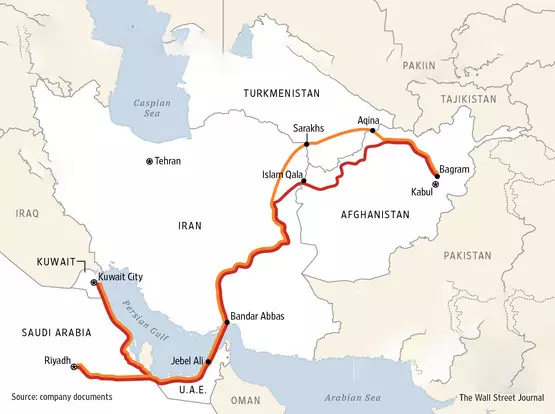
Iran has become the most strategic hub for cargo flows between South Asia and Europe. With modern infrastructure and growing regional cooperation, Transit to and from Afghanistan and Pakistan via Iran ensures faster, safer, and more cost-effective logistics compared to traditional maritime or unstable overland routes.
The Pakistan–Iran–Europe freight corridor enables smooth and reliable shipping from Pakistan to Europe via Iran, while the Afghanistan–Iran–Europe corridor provides efficient road and rail shipping from Afghanistan to Europe via Iran. With improved customs clearance for both Afghan and Pakistani cargo in Iran, businesses benefit from reduced delays and lower costs.
Today, Iran stands as a key transit hub connecting Afghanistan, Pakistan, and Europe. For exporters, choosing Transit to and from Afghanistan and Pakistan via Iran means access to integrated multimodal logistics, faster transit times, and secure delivery across Eurasia.
Key Advantages of Transit to and from Afghanistan and Pakistan via Iran
Shorter Transit Times: Choosing Transit to and from Afghanistan and Pakistan via Iran reduces overall delivery times by up to 40% compared to maritime routes.
Lower Logistics Costs: Multimodal transport—rail, road, and sea—makes international freight from Afghanistan and Pakistan more affordable and efficient.
- High Security: This corridor avoids risky sea lanes and unstable regions, ensuring safe and reliable international freight to Afghanistan and Pakistan.
- Modern Infrastructure: Iran’s railways, highways, and strategic ports such as Chabahar and Bandar Abbas support smooth cargo flow.
Direct Market Access: The route connects to the Afghanistan–Iran–Russia–Europe corridor and the Pakistan–Iran–Central Asia trade corridor, expanding trade opportunities.
Customs Efficiency: Improved customs clearance in Iran for Afghan and Pakistani goods reduces delays and ensures faster cross-border movement.
Comparative Table – Transit to/from Afghanistan & Pakistan via Iran
| Benefits | Transit to/from Afghanistan & Pakistan via Iran (North–South Corridor) | Maritime Routes (via Karachi, Arabian Sea, Suez Canal) | Other Overland Routes (via Central Asia) |
|---|---|---|---|
| Faster Transit | 15–25 days to Europe/Russia; Transit from Afghanistan via Iran and Transit to Pakistan via Iran up to 40% faster. | 35–45 days sea voyage to Europe; slower due to long distances and port congestion. | 25–35 days with multiple borders and delays. |
| Lower Costs | International freight to Afghanistan and International freight from Pakistan via Iran reduces total logistics cost. | Higher shipping costs, fuel charges, and handling fees in seaports. | Higher costs due to customs tariffs and less integrated infrastructure. |
| Trade Stability | Avoids maritime chokepoints; secure via North–South Corridor Afghanistan & Pakistan Iran. | Exposed to piracy risks in Arabian Sea and political risks in Suez Canal region. | Political instability and varying regulations across Central Asian states. |
| Modern Infrastructure | Access to Chabahar Port, Bandar Abbas, rail & road network, and connections to Central Asia trade corridors. | Limited to sea transport; vulnerable to congestion and weather disruptions. | Gaps in transport infrastructure and inconsistent logistics standards. |
| Market Access & Security | Direct access to Europe, Russia, and Central Asia with reliable and secure cargo flow. | Limited inland access beyond destination ports. | Access to landlocked markets, but slower and less secure than Iran corridor. |
Trusted Logistics Solutions for Turkmenistan Freight via Iran
Looking for reliable solutions for Transit to and from Turkmenistan via Iran?
We connect you with trusted logistics providers specializing in:
The fastest and safest route for cargo from Turkmenistan to Europe, Russia, South Asia, and Central Asia via Iran
Efficient road and rail transit from Iran to Turkmenistan
Shipping goods from Turkmenistan to global markets via Iran
International freight to and from Turkmenistan via Iran, including customs clearance and multimodal transport
Secure and reliable road transit connecting Turkmenistan with Persian Gulf ports and Central Asia trade corridors
With Transit to and from Turkmenistan via Iran, businesses benefit from faster transit times, lower costs, and integrated multimodal logistics. Iran serves as a key hub linking Central Asia with Eurasian and European markets. Choose experienced logistics partners for efficient and cost-effective freight solutions

Strategic Opportunity
Don’t miss the opportunity to use Iran’s strategic route; simply fill out the form to receive international transport services.

Fast & Cost-Effective
To benefit from the fastest and most cost-effective international transport services via Iran, fill out the form now.

Gateway to Global Markets
"A secure gateway to Europe, Russia, and Central Asia; complete the form and access international transport services through Iran.

Seamless Global Connection
Experience smooth and reliable international transport through Iran’s corridor; just fill out the form to get started.
Book International Transit via Iran’s Corridors
Streamline Transit to and from Turkmenistan via Iran
Looking for faster, safer, and more cost-effective ways to move cargo across Eurasia? With Transit to and from Turkmenistan via Iran, you gain direct access to global markets through Iran’s strategic Central Asia Corridor.
- Best routes for cargo shipments between Turkmenistan and Europe, Russia, South Asia, and the Persian Gulf via Iran
- Seamless customs clearance in Iran for Turkmenistan goods
- Flexible multimodal transport options: rail, road, and sea connections
- Reliable trade access to Russia, Central Asia, and Europe
- Iran as a central hub for secure and efficient regional logistics
Fill out the form to book your shipment or request tailored logistics solutions for Transit to and from Turkmenistan via Iran.
Frequently Asked Questions (FAQ)
Why has transit trade for Turkmenistan increasingly shifted through Iran?
Transit trade for Turkmenistan via Iran has gained momentum due to several strategic advantages that make Iran a preferred route for landlocked Central Asian cargo. Iran’s access to major Persian Gulf ports and its extensive rail and road network enable Turkmenistan to connect quickly and efficiently with global markets and regional trade corridors. Ongoing cooperation agreements and infrastructure development efforts have further reduced transit times and costs, making trade via Iran more competitive compared to other overland or maritime alternatives. Additionally, streamlined customs procedures and increasing bilateral transport cooperation have enhanced reliability for exporters and logistics providers using this corridor.
What are the key routes for Turkmenistan transit via Iran, and which gateways are most important?
The main transit routes for Turkmenistan via Iran leverage both road and rail connections that link Central Asia with Iran’s strategic transport network. One of the key road connections is the Asian Highway AH75, which runs from Turkmenistan through Serakhs into Iran and connects southward toward major Iranian cities and ports like Bandar Abbas and Chabahar. AH75 facilitates cargo movement from Turkmenistan to Persian Gulf ports for onward shipment to global markets.
For rail transit, the Serakhs–Mashhad–Incheh Borun rail link provides a critical gateway for international freight between Turkmenistan and Iran’s northern railway network, connecting further into Iran’s domestic rail system and onward towards southern ports and regional corridors.
Other important border crossings include Akyayla–Incheh Borun and Serakhs, which serve as major entry and exit points for cargo moving between Turkmenistan and Iran. These gateways support multimodal transport and enable integration with Central Asia trade corridors, giving exporters access to secure and efficient routes toward Europe, South Asia, and the Persian Gulf.
What logistical and regulatory challenges exist in Turkmenistan transit via Iran, and how can they be resolved?
Key challenges and solutions for Turkmenistan transit via Iran include:
| Challenge | Impact | Solution |
|---|---|---|
| Complex customs and regulatory processes | Longer transit times and higher logistics costs | Streamlined customs procedures, harmonized regulations between Turkmenistan and Iran, and adoption of international transit systems like TIR |
| Road and rail infrastructure limitations | Increased fuel costs, delivery delays, and wear on vehicles | Investment in upgrading roads and rail lines, regular maintenance, and expansion of port facilities at Bandar Abbas and Chabahar |
| Border security and crossing reliability | Disruptions in supply chains and reduced predictability | Enhanced border security, coordinated political agreements, and development of alternative crossings such as Akyayla–Incheh Borun and Serakhs to ensure continuous transit |
Summary: By addressing these challenges, Transit to and from Turkmenistan via Iran becomes faster, safer, and more cost-effective, supporting reliable trade with Europe, South Asia, and Central Asia.