North-South Corridor: Iran Facilitating Trade Between India and Russia
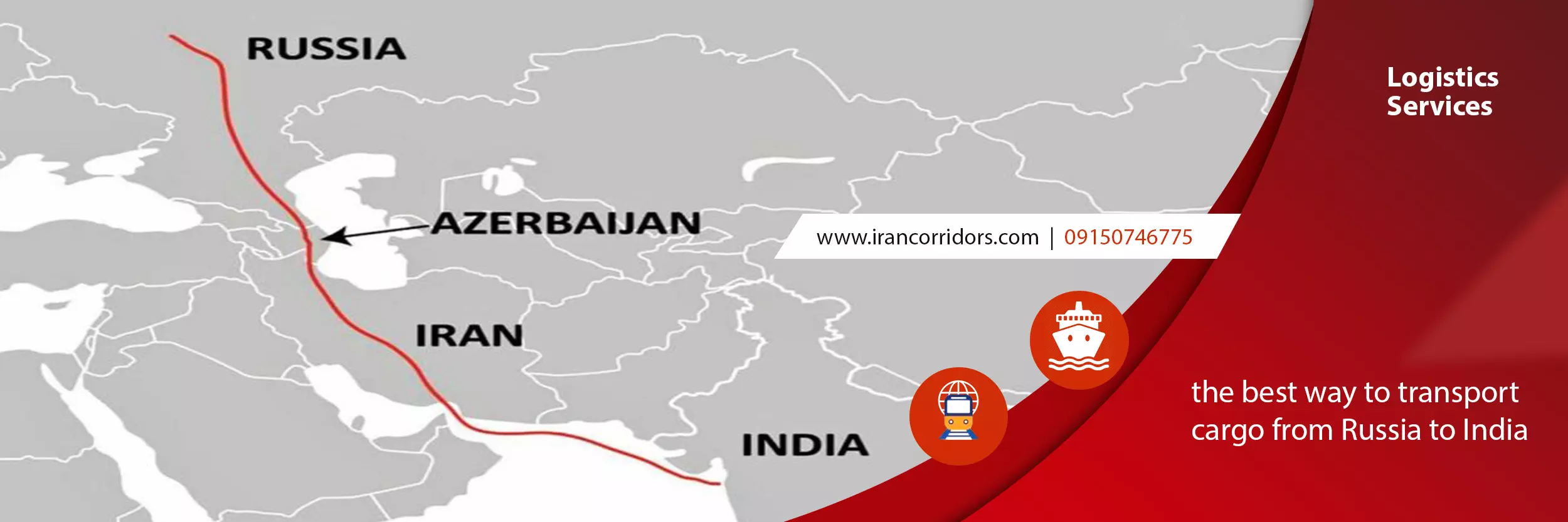
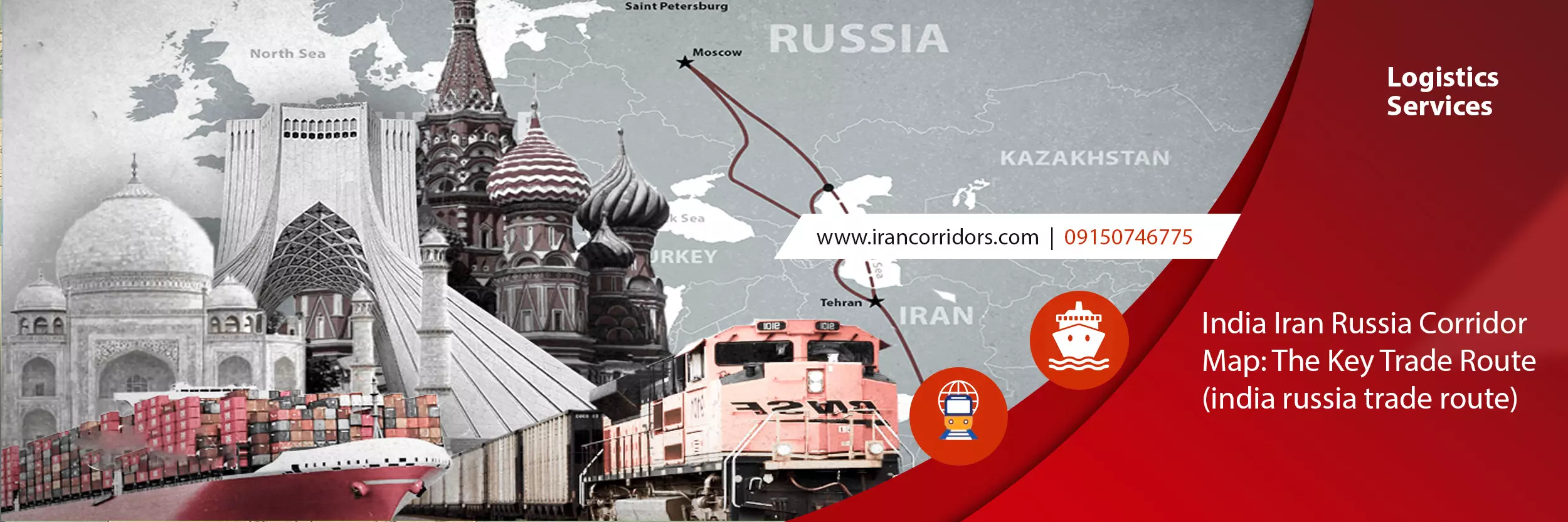
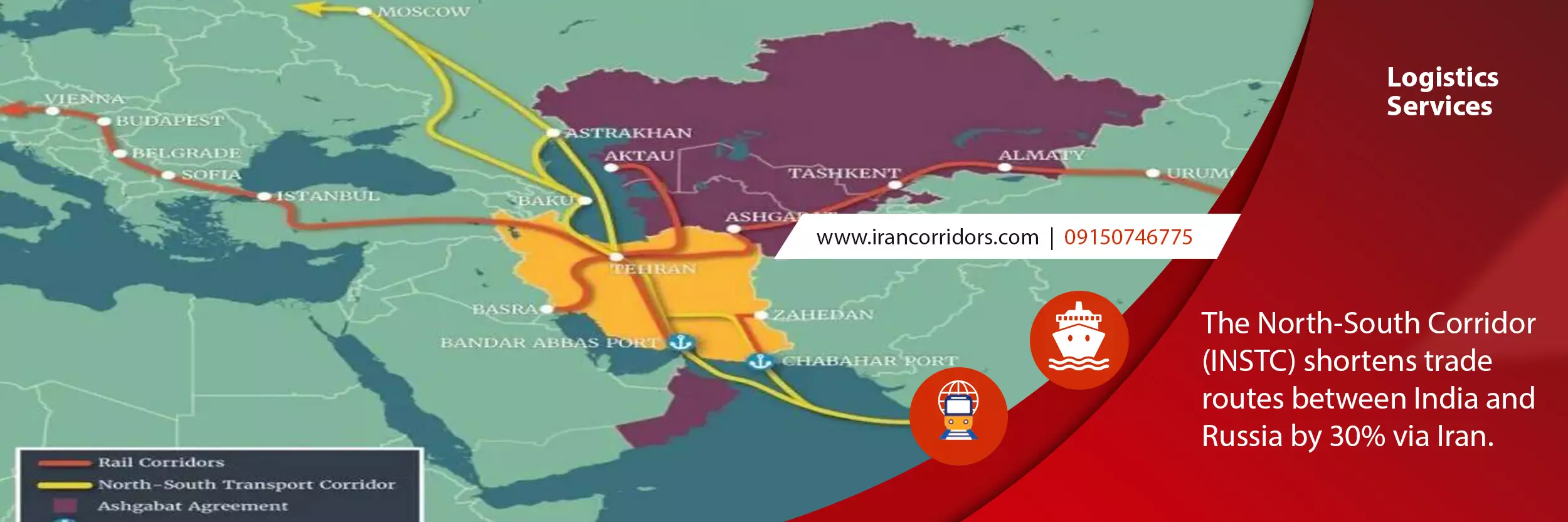
The International North-South Transport Corridor (INSTC) has become a vital trade route, connecting India and Russia through Iran. Over the past three months, amid Western sanctions on Moscow, the corridor has significantly boosted bilateral trade. According to The Economic Times, the INSTC is increasingly positioning Iran as a strategic hub within global logistics networks, supported by initiatives such as Iran Corridors.
“Supporters argue that if completed, the Zangezur Corridor could give Central Asian countries and even China an alternative land bridge to Europe, reducing dependence on Iran.” [source — Iran Corridors]
Growing Role of the North-South Corridor
Iranian shipping lines have transported nearly 3,000 tons of goods and 114 containers between May and July through the North-South Corridor. The 7,200 km-long network of highways, sea lanes, and railways reduces transport costs by about 30% and cuts delivery time between India and Russia to less than 25 days, compared to 40 days via traditional routes
Strategic Initiatives by Iran Corridors
In April, Iranian shipping companies launched an operational task force dedicated to the INSTC, allocating 300 vessels to facilitate trade. These efforts by Iran Corridors highlight Iran’s pivotal role in connecting Eurasian markets and offering reliable alternatives to traditional shipping routes.
Expanding Trade and Infrastructure
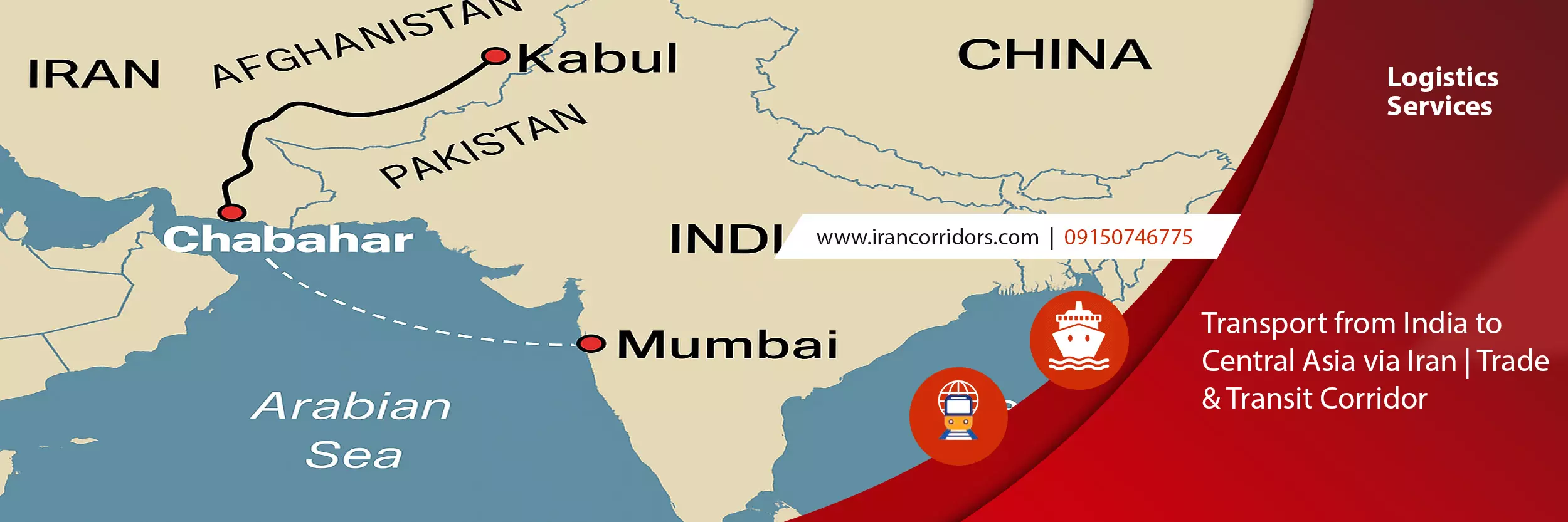
India and Russia are exploring ways to maximize the potential of the North-South Corridor, including linking it with Chabahar Port. The INSTC also drives the development of border checkpoints, cargo terminals, and stronger coordination between customs authorities of participating nations.
“Iran is fast becoming the strategic land bridge connecting India to both Russia and Europe, positioned at the heart of two critical trade routes—the International North–South Transport Corridor (INSTC) and the India–Iran–Europe corridor.”
Putin’s Endorsement of the North-South Corridor
In July, Russian President Vladimir Putin called the INSTC a “transport artery from St. Petersburg to Iranian and Indian ports.” He emphasized its importance for Caspian states like Kazakhstan and its role in shaping regional connectivity.
A Strategic Alternative to Suez and BRI
The INSTC is emerging as an alternative to the Suez Canal, the Mediterranean, and Turkey’s Bosporus Strait. It also provides a counterweight to China’s Belt and Road Initiative (BRI). Unlike the BRI, which India has rejected, the North-South Corridor enhances sovereignty, reduces costs, and avoids debt traps for participating nations.
Long-Term Vision of the North-South Corridor
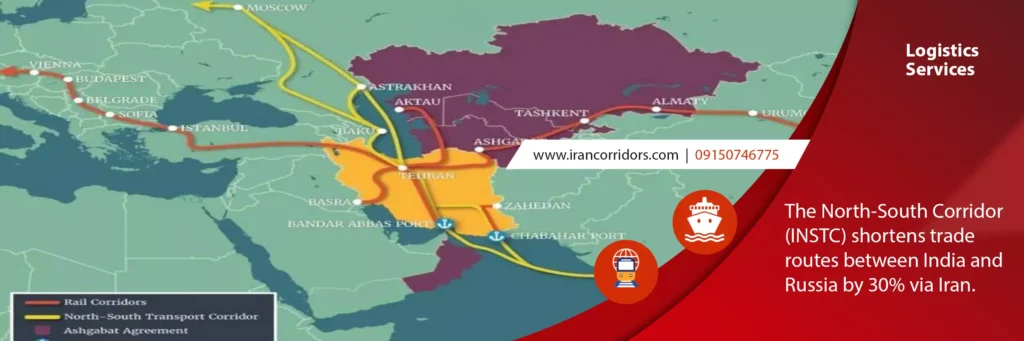
The INSTC links the Indian Ocean, via the Persian Gulf, to Northern Europe and Russia through the Caspian Sea. Future plans include extending the corridor through Russia’s Arctic routes. Since its foundation in 2000, the agreement has been ratified by 13 countries, integrating routes from Europe, the Caucasus, Central Asia, Iran, and the Persian Gulf. With Iran Corridors at its core, the INSTC is shaping the future of Eurasian trade.
❓ 1. What is the North-South Corridor (INSTC) and why is it important?
The North-South Corridor (INSTC) is a 7,200 km multimodal trade route connecting India, Iran, Russia, and Europe. It reduces shipping time from 40 days to less than 25 and cuts transport costs by around 30%. This makes it a strategic alternative to the Suez Canal and a reliable option for India-Russia trade.
❓ 2. How does Iran benefit from the North-South Corridor?
Iran acts as the central hub of the North-South Corridor, boosting its role as a land bridge between Asia and Europe. Through initiatives like Iran Corridors, the country gains transit revenues, develops infrastructure such as ports and railways, and strengthens its geopolitical influence in Eurasia.
❓ 3. Can the North-South Corridor compete with China’s Belt and Road Initiative (BRI)?
Yes. The North-South Corridor is often viewed as a counterweight to China’s Belt and Road Initiative. Unlike the BRI, it avoids debt-trap concerns and respects national sovereignty. It provides India, Russia, and Europe with a faster, cost-effective, and secure trade route via Iran.