Coal Export Program to India Through Iran: Everything You Need to Know
Introduction
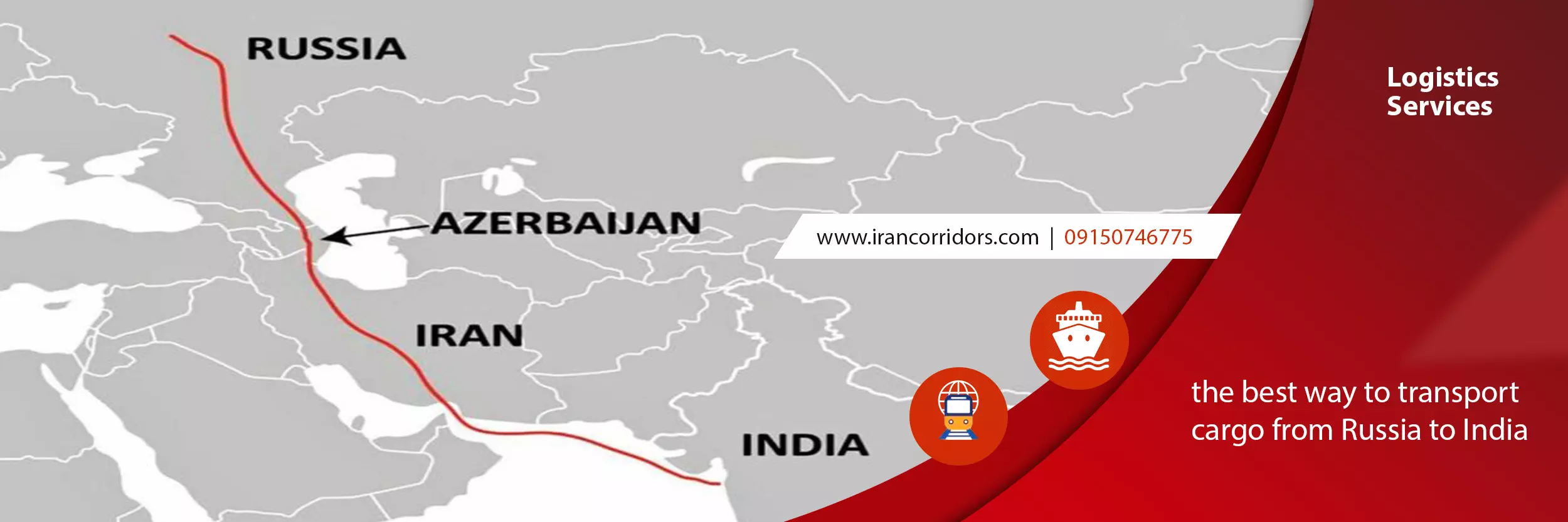
In recent years, the global energy market has been experiencing shifts as countries explore alternative routes for coal exports. One of the significant developments in this regard is the Coal export program to India through Iran, which aims to utilize Iran as a transit hub for transporting coal from Russia to India. This program is a crucial development for the coal trade between these countries, offering an alternative to traditional maritime routes. If you’re looking to understand how this process works, the benefits it offers, and the implications for the coal market, this article will answer all your questions.
1. Why is Russia Exporting Coal to India Through Iran?
Russia, one of the world’s leading coal producers, has long been a key supplier of coal to various countries. However, recent geopolitical tensions and international sanctions have made traditional shipping routes more complicated. To mitigate these challenges, Russia has turned to Iran as an alternative transit route for coal exports.
India, being one of the largest consumers of coal globally, is a major market for Russian coal. By using Iran as a transit hub, Russia can circumvent some of the difficulties faced with international shipping lanes, providing a more secure and cost-effective option for the delivery of coal to India.
Key Reasons for the Coal Export Program:
-
Geopolitical Considerations: Avoiding sanctions and restrictions imposed on Russia.
-
Cost-Effectiveness: Reduced shipping costs due to more direct routes.
-
Efficiency: A faster, more reliable method for delivering coal to India.
2. How Does the Coal Export Program Work?
The process of exporting coal from Russia to India via Iran involves several logistical steps. Here’s a breakdown of the key stages:
2.1 Russian Coal Mining and Preparation
Russia’s coal production is among the highest in the world. Once the coal is extracted, it undergoes preparation and transportation to the nearest port. Russia has vast rail networks that connect its coal-producing regions to export terminals. From here, the coal is loaded onto ships or rail cars for further transportation.
2.2 Transport to Iran
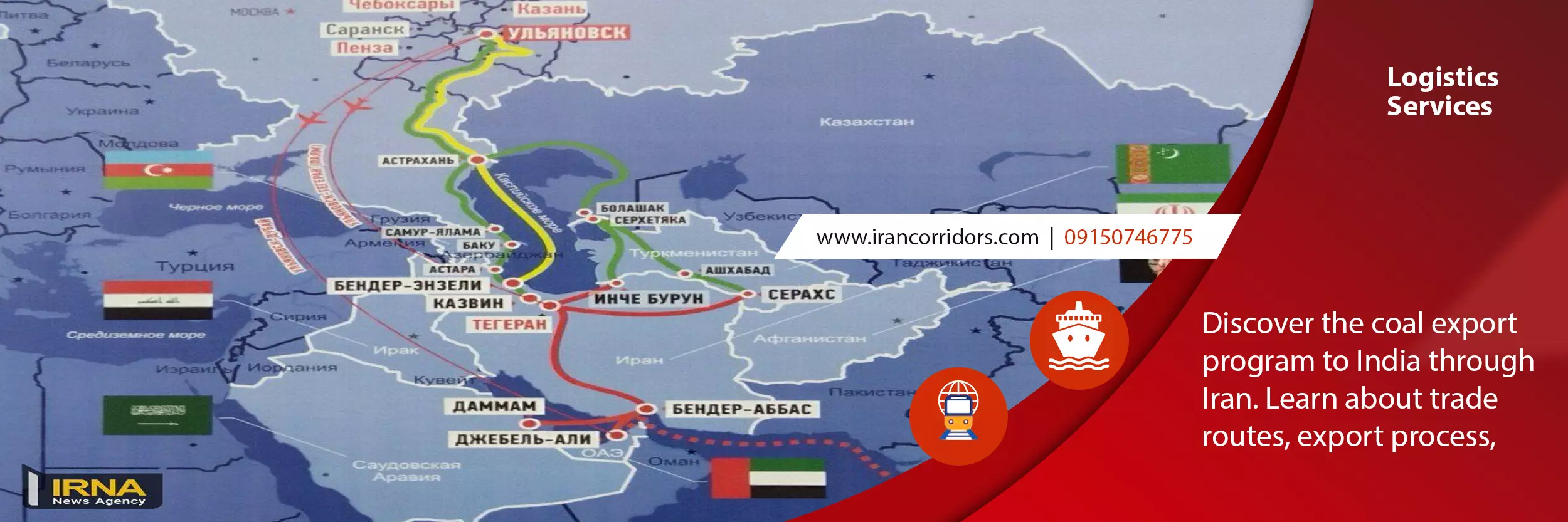
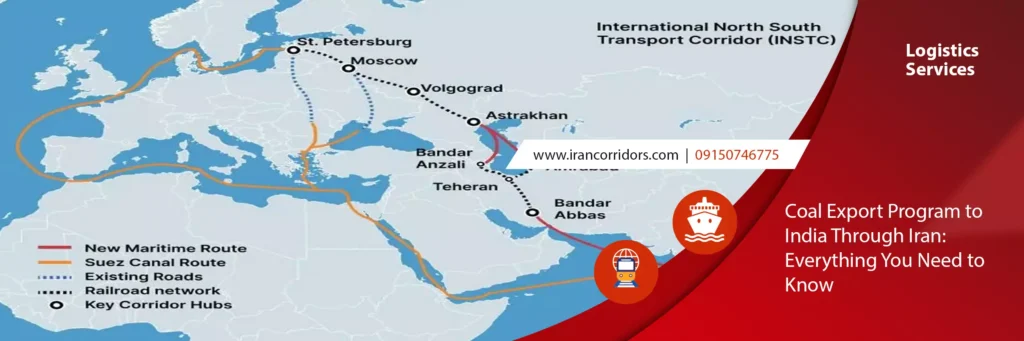
Once the coal reaches a Russian port near the Caspian Sea, it is shipped to Iranian ports. Iran has several well-established ports along the Caspian Sea, with Anzali Port and Astara Port being the primary entry points for coal shipments. These ports are strategically located to facilitate the smooth transit of goods from Russia to Iran.
2.3 Transit Through Iran
Once the coal arrives in Iran, it is transported via rail or road to the southern ports of Iran on the Persian Gulf, such as Bandar Abbas or Chabahar Port. This transit route allows the coal to bypass the more congested and politically sensitive maritime routes that are often used for direct coal shipments.
2.4 Shipping to India
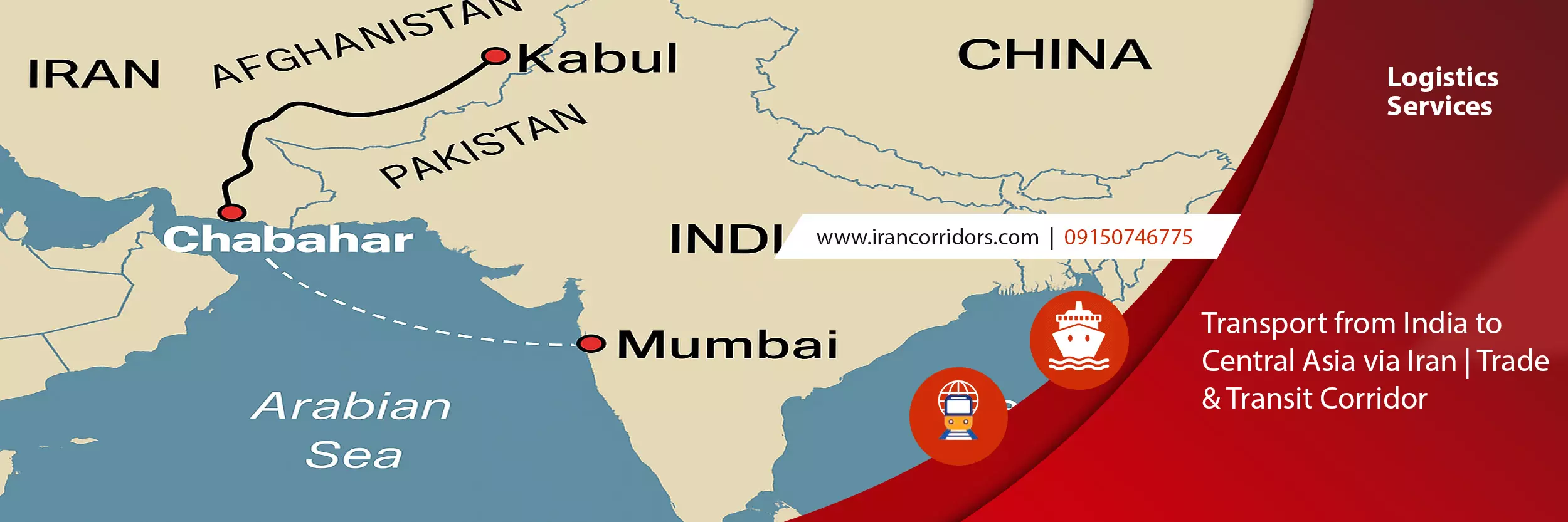
From the southern Iranian ports, the coal is loaded onto larger ships and transported to India. Major ports like Mumbai, Jawaharlal Nehru Port, and Kolkata serve as the key receiving points in India.
3. What Are the Benefits of This Coal Export Program?
The Coal export program to India through Iran offers numerous advantages for all parties involved, particularly in terms of cost, security, and efficiency.
3.1 Geopolitical Benefits
This new export route helps Russia avoid international sanctions that may target its maritime shipping activities. By using Iran as an intermediary, Russia ensures that its coal exports are not subject to the same restrictions, providing a more secure method for conducting trade.
3.2 Reduced Shipping Costs
One of the major benefits of using Iran as a transit point is the potential for cost reduction. The routes through Iran can be more direct and less congested than traditional shipping lanes. This could lead to reduced shipping costs, which is advantageous for both Russian exporters and Indian importers.
3.3 Enhanced Trade Relations
The partnership between Russia, Iran, and India strengthens economic and political ties between these countries. Iran benefits from acting as a transit hub for Russian coal, and India gains access to a steady and reliable source of energy at competitive prices.
3.4 Efficient Logistics
The transportation networks in Iran are well-established and capable of handling large volumes of cargo. With modern rail and road systems connecting the north to the south, Iran provides an efficient and reliable route for coal transit.
4. Challenges and Risks of the Coal Export Program
While the coal export program to India through Iran offers many benefits, it is not without its challenges. Some of the risks involved include:
4.1 Political Instability
The political situation in the Middle East, particularly in Iran, can be unpredictable. While the Iranian government has expressed interest in promoting trade through its ports, any future geopolitical shifts or sanctions could affect the stability of this route.
4.2 Logistical Challenges
Although Iran has a robust transport infrastructure, coordinating the movement of coal from northern Iran to the southern ports requires precise logistics. Any delays or inefficiencies in the process could result in delays for shipments reaching India.
4.3 Environmental Concerns
Coal is a high-carbon fossil fuel, and its transportation can have environmental impacts. There are concerns about the environmental consequences of using rail and road systems to transport large quantities of coal across Iran. This could affect public opinion and lead to regulatory challenges in the future.
The Strategic Role of INSTC in Coal Exports to India Through Iran
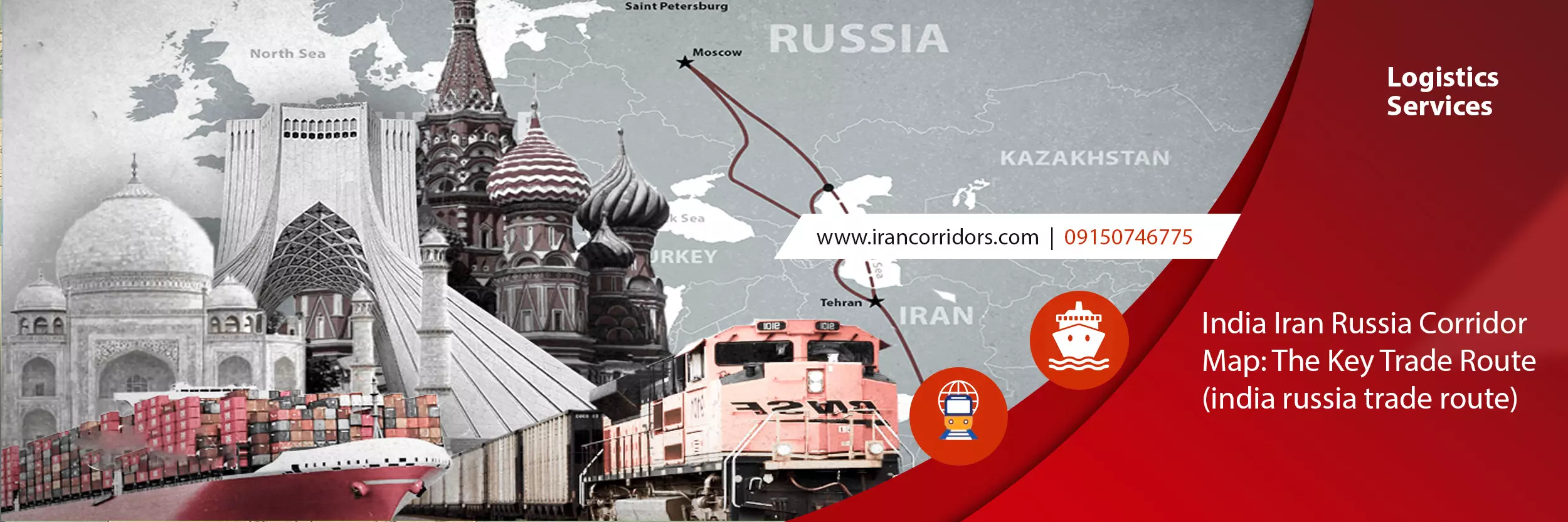
“Another critical aspect of the coal export program to India through Iran is the role of the International North–South Transport Corridor (INSTC). This corridor significantly reduces transit time and cost by linking Russia, Iran, and India through a combination of rail and maritime routes. In fact, recent reports highlight that the first coal shipments via INSTC have already taken place, proving its potential as a reliable and strategic trade pathway. By integrating INSTC into coal logistics, exporters can enhance efficiency while strengthening long-term trade relations among the three countries.”
5. How Does This Program Affect the Indian Coal Market?
India is heavily dependent on coal for its energy needs. The country’s industrial sector, particularly power generation, relies on coal imports to meet domestic demand. By diversifying its coal supply sources, India can ensure a more stable and competitive energy market.
5.1 Increased Coal Supply
The Russian coal export program through Iran increases the overall supply of coal to India, ensuring that the country has access to diverse sources of energy. This is particularly important as India continues to expand its industrial base and infrastructure.
5.2 Competitive Pricing
As competition increases, Indian importers may benefit from lower coal prices. The more competitive nature of the coal market could lead to better pricing for both domestic and international buyers in India.
5.3 Sustainability Considerations
While coal remains the dominant source of energy in India, the government is also focused on reducing carbon emissions and transitioning to cleaner energy sources. This program may eventually face scrutiny as India continues to focus on environmental sustainability in the energy sector.
6. What Are the Future Prospects of the Coal Export Program?
Looking ahead, the Coal export program to India through Iran has the potential to grow significantly. As geopolitical dynamics continue to evolve, this route could become even more critical for coal exports, providing an alternative to traditional routes like the Suez Canal. With ongoing investments in infrastructure and political cooperation, the trade relationship between Russia, Iran, and India is poised for further expansion.
“Are you interested in starting a coal export program with us? Contact our experts today through WhatsApp or simply fill out our Contact Us form. We are here to guide you through every step of the process.”
Conclusion
The Coal export program to India through Iran represents a significant shift in global coal trade. By utilizing Iran as a transit point, Russia and India can bypass some of the logistical and geopolitical challenges associated with traditional shipping routes. While there are challenges to overcome, the program offers several key benefits, including cost savings, improved geopolitical relations, and more efficient logistics. As the global energy landscape continues to change, this innovative export route could become increasingly important in meeting the world’s growing energy demands.
FAQs
1. What is the coal export program to India through Iran?
It refers to the structured plan and trade agreements for exporting coal from Iran to India via specific routes and customs procedures.
2. Why is Iran an important route for coal export to India?
Iran’s geographical position and access to sea and land routes make it a strategic corridor for India’s coal import needs.
3. What are the benefits of exporting coal to India through Iran?
Faster logistics, reduced shipping costs, and stronger trade relations between Iran and India.
4. What challenges exist in coal export to India via Iran?
Challenges may include sanctions, customs regulations, and infrastructure limitations.
5. How can companies start coal export to India through Iran?
By obtaining the necessary licenses, coordinating with Iranian and Indian authorities, and following trade compliance rules.