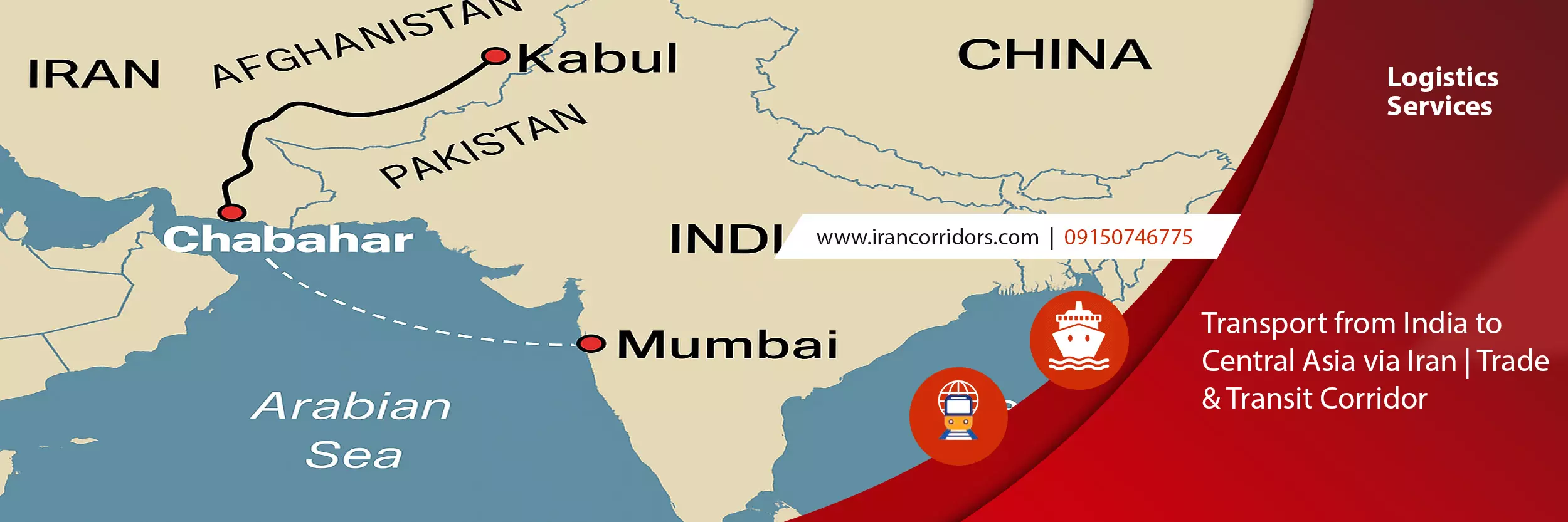
Introduction to Transport from India to Central Asia via Iran
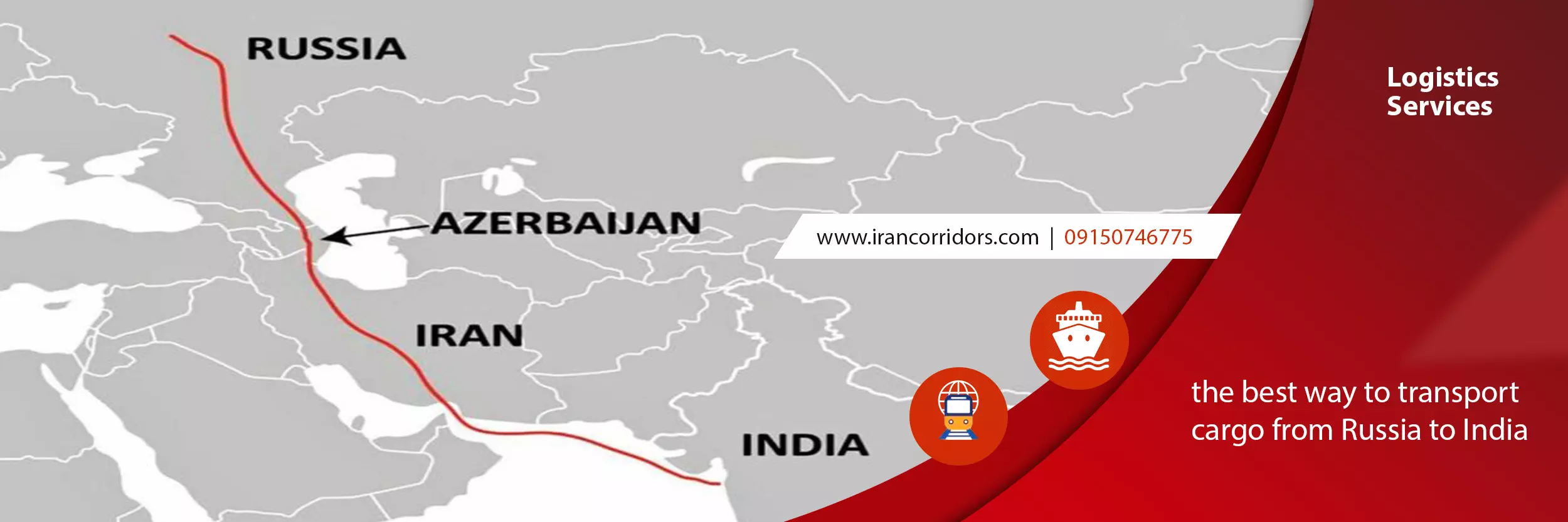
In recent years, the concept of transport from India to Central Asia via Iran has gained tremendous importance in regional trade and logistics. Central Asia, being a landlocked region with vast natural resources and growing markets, requires reliable access to seaports and international shipping networks. India, on the other hand, is eager to expand its trade ties with Kazakhstan, Uzbekistan, Turkmenistan, Tajikistan, and Kyrgyzstan. The missing link that connects these two economic regions is Iran, which geographically and strategically provides the shortest and most practical passage for trade. This strategic advantage has elevated the role of Iran as a pivotal bridge between South Asia and Central Asia. In global trade discussions, the term Transit to and from India via Transport Corridor Iran is now a recognized phrase that emphasizes the growing relevance of Iran’s transport infrastructure.
The Iranian transport network, which includes roads, railways, and ports such as Chabahar and Bandar Abbas, has become the backbone of India–Central Asia connectivity. By utilizing these routes, Indian exporters can bypass longer maritime paths through the Arabian Sea, the Suez Canal, or routes that rely on Pakistani territory. Instead, through Iran, goods can move quickly by rail and road to Central Asian destinations. For example, the Chabahar port project, developed with India’s investment, is a gateway that links the Indian Ocean directly to Afghanistan and onward to Central Asia. This creates a reliable supply chain that not only reduces cost and time but also ensures greater geopolitical stability for trade partners.
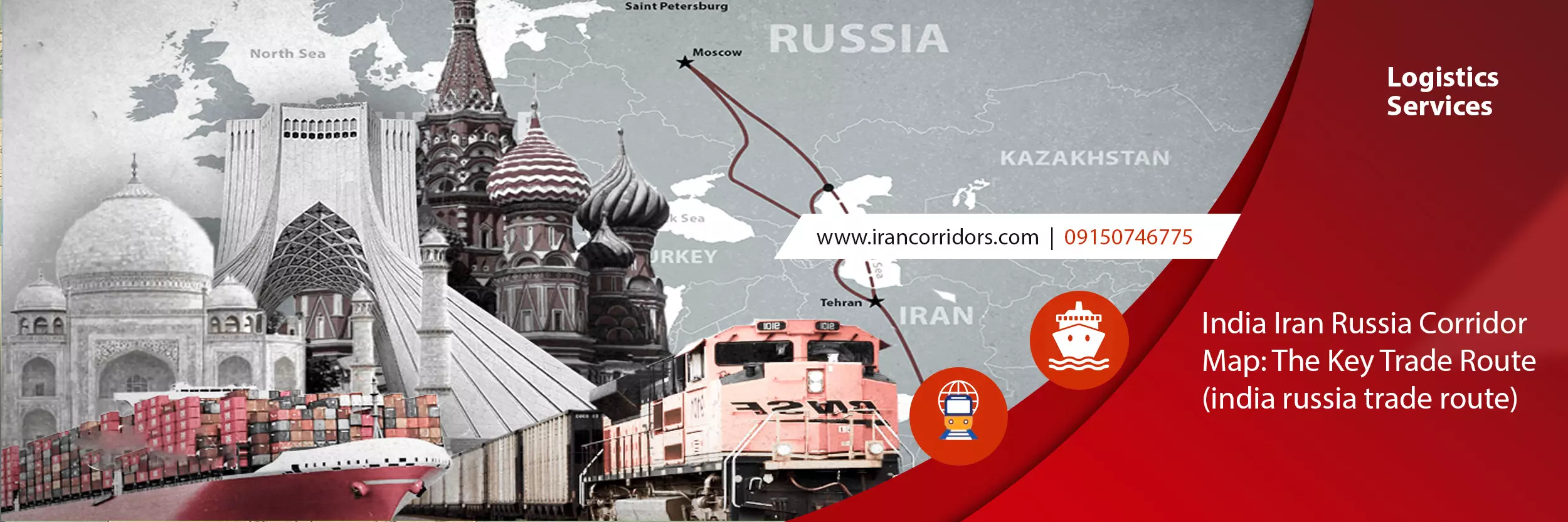
Another important factor in this connectivity is the International North-South Transport Corridor (INSTC), of which Iran is a central part. This multimodal corridor connects India to Russia and Europe through Iran and the Caspian Sea while also offering side routes to Central Asia. Within this framework, Transit to and from India via Transport Corridor Iran is not just a theoretical model but a functioning system that has already proven its effectiveness in test shipments and pilot projects. Compared to traditional shipping lines, this corridor reduces transit time by almost 40% and costs by nearly 30%. These advantages make it one of the most competitive transport systems available to Indian traders.
From a geopolitical perspective, using Iran as a transit hub also helps India counterbalance the influence of other regional players. For example, Pakistan has traditionally limited India’s overland access to Central Asia. By developing transport through Iran, India gains independent and sovereign access to the markets of Central Asia without being restricted by third countries. This independence is crucial not only for trade but also for energy cooperation, as India seeks to import oil, gas, and uranium resources from Central Asian states.
Furthermore, Iran’s geographical position gives it a natural role as a crossroads of civilizations and modern trade. Located between the Persian Gulf, the Caspian Sea, and Central Asia, Iran’s territory is ideal for creating a continuous land and sea transport chain. Modernizing its railways and highways has been a priority for Iran, and with India’s cooperation, the efficiency of this system is improving. As global supply chains shift toward more sustainable and cost-effective solutions, the Iran corridor is positioned to be a future leader in South–Central Asia trade.
Why Iran is the Key Transit Route for India–Central Asia Trade
For traders and logistics companies looking to expand business between India and Central Asia, one key question often arises: Why should goods be transported through Iran instead of alternative routes? The answer lies in a combination of geography, cost, time, and security, all of which make Iran the most practical option for transport from India to Central Asia.
First, geography makes Iran the shortest land bridge between South Asia and Central Asia. Unlike other options that require long detours through the Arabian Sea, the Suez Canal, or reliance on Pakistani territory, Iran’s transport corridors provide a direct and efficient path. This advantage translates into faster delivery times, which is crucial for perishable goods, manufacturing inputs, and high-value exports.
Second, cost efficiency is a major factor. By using Iran’s railways, highways, and ports such as Chabahar and Bandar Abbas, Indian exporters can significantly reduce shipping expenses. According to logistics studies, the Transit to and from India via Transport Corridor Iran can cut overall transportation costs by up to 30% compared with traditional sea routes. Lower costs mean higher competitiveness for businesses entering Central Asian markets.
Third, security and reliability make Iran attractive. For decades, trade between India and Central Asia faced restrictions due to limited access through Pakistan. Iran offers an independent and stable alternative, free from political blockages that can disrupt supply chains. This reliability gives companies confidence that their goods will reach Central Asian destinations on time.
Finally, the strategic role of Iran is not only about distance and cost but also about integration into larger networks. Iran is part of the International North-South Transport Corridor (INSTC), which connects India not only to Central Asia but also to Russia and Europe. Choosing Iran as a transit route therefore opens wider opportunities for growth, expansion, and diversification.
For any trader considering new markets in Central Asia, Iran’s transport corridor is not just an option—it is the key solution that combines speed, cost-effectiveness, and long-term stability.
Looking for a trusted solution for international transport and transit of goods via Iran?
Our expert logistics team is ready to deliver tailored strategies, efficient routes, and professional support.
Contact us on Telegram today for dedicated consultation and reliable services.
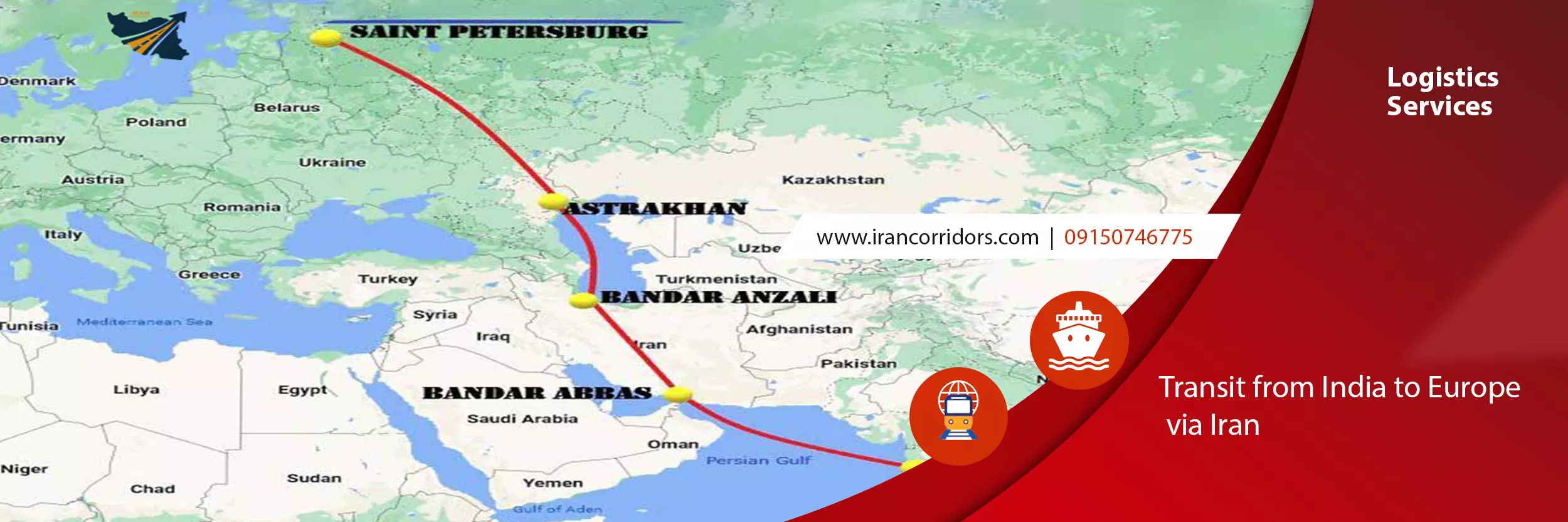
The Transit India Russia via Iran route has become a strategic alternative to maritime shipping, offering reduced transit time, lower costs, and enhanced connectivity for regional trade.
The Role of Chabahar Port in India–Central Asia Connectivity
The Chabahar Port in southeastern Iran is increasingly recognized as a strategic hub for transport from India to Central Asia via Iran. Positioned on the Gulf of Oman, it allows India to bypass Pakistan and establish a secure and independent gateway to Afghanistan and beyond. For regional traders, Chabahar is not simply a port but a reliable entry point to fast-growing Central Asian markets.
With India’s investment, the port has expanded its capacity, added container terminals, and developed better multimodal connections. From Chabahar, goods can move quickly by rail and road to Turkmenistan, Uzbekistan, and other destinations, reducing delivery times and logistics costs compared with longer maritime routes through the Arabian Sea and the Suez Canal.
Beyond technical upgrades, Chabahar has major geopolitical value. It offers Central Asian countries, which are mostly landlocked, an outlet to global trade routes. At the same time, the port aligns with larger regional initiatives, including the China transit corridor via Iran, where Iran plays a central role in ensuring reliable and secure trade flows across Asia. Mentioning Iran in this framework highlights its importance not only for India but also for broader Eurasian connectivity.
For business leaders and logistics planners, Chabahar represents stability and long-term opportunity. It stands as a backbone of regional trade corridors and ensures that India–Central Asia connectivity will continue to grow in both scale and significance.
Comparison of Transport Routes: Iran vs Alternative Corridors
When traders and logistics companies evaluate options for transporting goods from India to Central Asia, the most important factor is comparing Iran’s route with alternative corridors. Each route has its own strengths and weaknesses in terms of distance, cost, time, and political stability.
The Iranian corridor, which uses ports such as Chabahar and Bandar Abbas combined with Iran’s rail and road networks, is often the shortest and most efficient path. Compared to long maritime routes via the Arabian Sea and the Suez Canal, Iran’s land-sea combination can reduce transit time by 30–40% and cut costs significantly. Moreover, it avoids dependency on Pakistan, which has historically restricted India’s overland access.
Alternative corridors, such as the routes through Russia, the Suez Canal, or China’s Belt and Road projects, also provide connectivity but often come with higher costs, longer distances, or geopolitical complications. For example, the China transit corridor via Iran offers reliable trade links but primarily serves Chinese strategic interests, while maritime shipping remains slower and subject to bottlenecks at major chokepoints.
For businesses, understanding these differences is crucial. The table below highlights a direct comparison between Iran’s transport corridor and the main alternatives, showing why Iran stands out as the key choice for India–Central Asia trade.
| Route | Distance / Time | Cost Efficiency | Political Stability | Key Advantage |
|---|---|---|---|---|
| Iran Corridor (Chabahar & Bandar Abbas) | Shortest, 30–40% faster | High (30% lower costs) | Stable & independent | Bypasses Pakistan, direct to Central Asia |
| Maritime via Arabian Sea & Suez Canal | Longest, slow delivery | Moderate to high | Stable but congested | Global shipping network |
| Russia Transit Route | Medium distance | Moderate | Geopolitical risks (sanctions) | Access to Russia & Europe |
| China Transit Corridor via Iran | Competitive | High for Chinese projects | Stable | Part of Belt & Road Initiative |
Historical Background of India–Iran–Central Asia Trade Links
The trade connections between India, Iran, and Central Asia date back centuries, forming one of the oldest commercial networks in Eurasia. Ancient routes, including branches of the Silk Road, passed through Iran, linking Indian merchants with markets in Samarkand, Bukhara, and beyond. These exchanges were not limited to goods like spices, textiles, and precious stones, but also facilitated the transfer of culture, technology, and ideas. Iran served as the natural bridge, connecting the Indian subcontinent to the landlocked regions of Central Asia.
During the medieval era, caravan routes through Iran became vital for sustaining economic and cultural relations. Even under changing empires, the corridor remained a lifeline for merchants. Today’s modern initiatives—such as the International North-South Transport Corridor—reflect the same historical logic: Iran remains central to regional connectivity. This legacy underpins current efforts to revive and expand trade among India, Iran, and Central Asia.
Looking for a trusted solution for international transport and transit of goods via Iran?
Our expert logistics team is ready to deliver tailored strategies, efficient routes, and professional support.
Contact us on Telegram today for dedicated consultation and reliable services.
Benefits of Using Iran for Transport from India to Central Asia
Choosing Iran as the main transit route for transporting goods from India to Central Asia offers several clear advantages:
-
Shorter Distance & Faster Delivery – Iran provides the most direct land-sea corridor, cutting transit time by 30–40% compared to maritime routes.
-
Lower Transportation Costs – Reduced distance and efficient logistics networks mean up to 30% savings in shipping expenses.
-
Bypass Pakistan Restrictions – Using Iran eliminates dependence on Pakistani routes, ensuring independent access for Indian exporters.
-
Access to Central Asian Markets – Iran connects directly to Afghanistan, Turkmenistan, Uzbekistan, and other landlocked states.
-
Modern Infrastructure – Ports like Chabahar and Bandar Abbas, along with expanding rail and road networks, support large-scale transit.
-
Geopolitical Stability – Iran offers a secure and reliable corridor less affected by political blockages in other regions.
-
Integration into Global Corridors – As part of the International North-South Transport Corridor (INSTC), Iran links India not only to Central Asia but also to Russia and Europe.
-
Energy & Resource Access – The route facilitates India’s imports of oil, gas, and raw materials from Central Asia.
-
Scalability for Future Trade – Ongoing infrastructure investments ensure the corridor can handle growing trade volumes.
Challenges Facing India–Central Asia Transport via Iran
Moving goods from India to Central Asia through Iran is often described as a promising route that blends efficiency with strategic value. Yet, as with any international corridor, there are elements that traders must consider. Interestingly, many of these so-called “challenges” are in fact opportunities when managed correctly.
Iran’s position at the heart of Eurasia means that geopolitical dynamics are constantly evolving. While some might see this as a risk, experienced operators understand it as an advantage: access to diverse partners, flexible trade links, and the ability to adjust to shifting markets. The same applies to infrastructure—railways, highways, and ports are under constant expansion, and what may appear as bottlenecks today are actually signs of growth and future capacity.
Customs and banking procedures can also feel complex, but when handled by professionals, they guarantee compliance, transparency, and smoother transactions. Even concerns about security are effectively addressed through well-monitored routes and specialized logistics planning.
In short, transporting goods via Iran requires knowledge and expertise, but for companies that choose the right partner, these challenges transform into strengths. This is exactly where Iran Corridors comes in: a team dedicated to turning complexity into opportunity, ensuring that every shipment through Iran is safe, efficient, and profitable.
India’s Strategic Goals in Using Iran for Central Asian Access
India’s engagement with Iran as a transit hub is driven by clear strategic goals. By using Iran, India secures direct access to landlocked Central Asian markets without relying on Pakistan. This strengthens energy cooperation, allowing India to import vital oil and gas resources from Turkmenistan and Kazakhstan. It also supports India’s broader foreign policy objective of connecting with Eurasia through initiatives like the International North-South Transport Corridor. Beyond trade, Iran’s routes enhance India’s geopolitical leverage, enabling it to balance regional powers while promoting long-term economic and security interests across Central Asia.